
Sustainable architecture with innovative design solutions
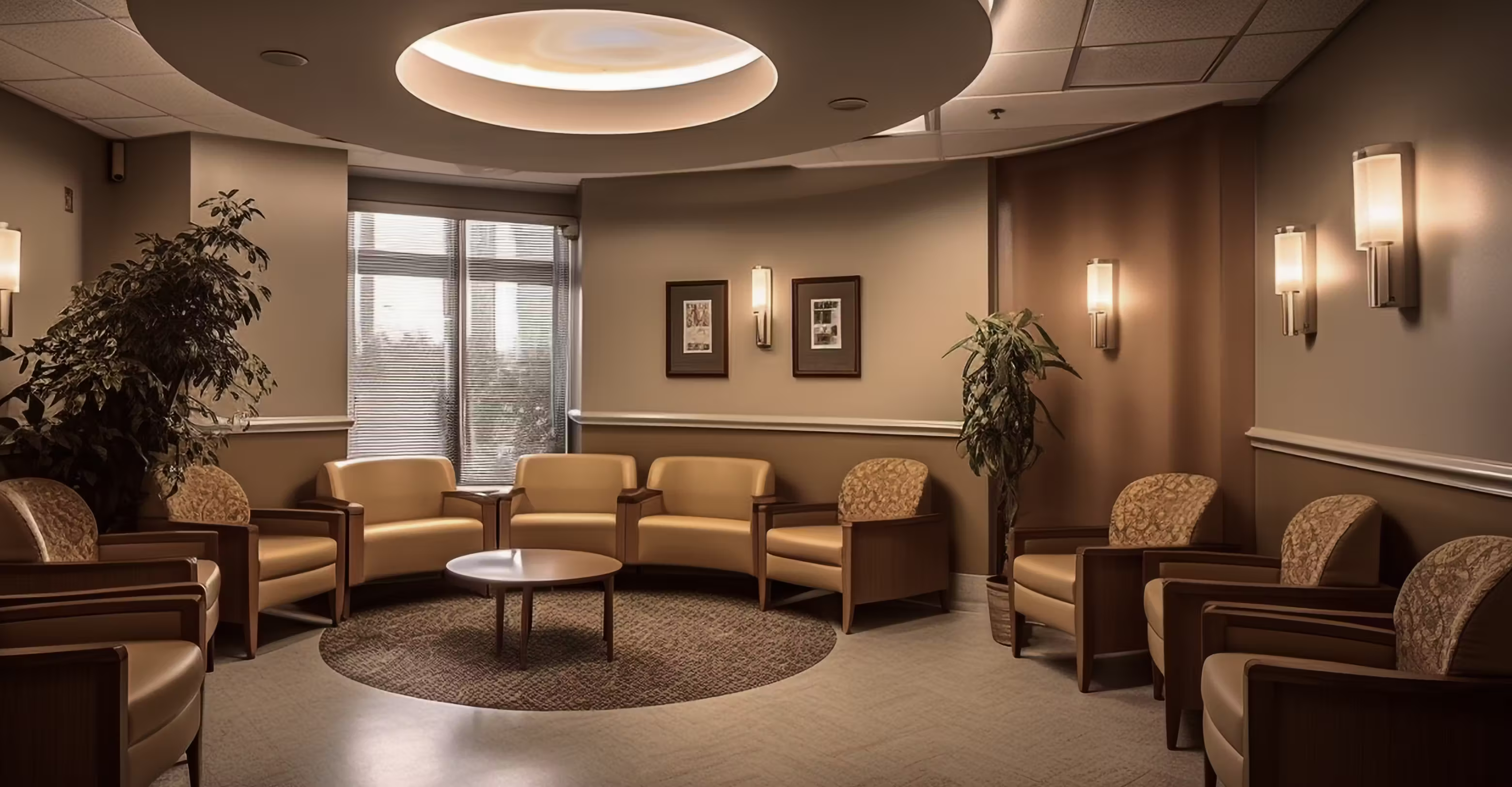

Fontaine handles the studio's commercial work, where energy performance, occupancy patterns and operating cost carry as much weight in the brief as the architecture itself.
Commercial buildings that cost less to run
In commercial work the argument for sustainability is usually financial before it is environmental. Energy is a running cost, comfort affects retention, and a building that performs badly becomes harder to let with every year that passes. Owners notice this well before any regulator does.
That framing changes the conversation productively. Once a client sees insulation and shading as a thirty-year operating decision rather than a capital expense, the discussion moves from whether to invest to where the investment does the most work. It also makes it easier to justify spending more upfront for a building that costs less to run for decades.
Where the returns are largest in commercial projects
Occupancy patterns drive everything. A building used intensively five days a week rewards heat recovery and good controls far more than one occupied intermittently. Glazing ratio is the next lever: generous daylight reduces lighting load and improves how people feel at their desks, but unshaded south glass creates a cooling problem that outweighs the gain. Zoning matters too, because heating an empty floor is the most common invisible waste. Metering ties it together, since a building nobody measures is a building nobody improves after the first year of operation.
Innovation measured in performance, not novelty
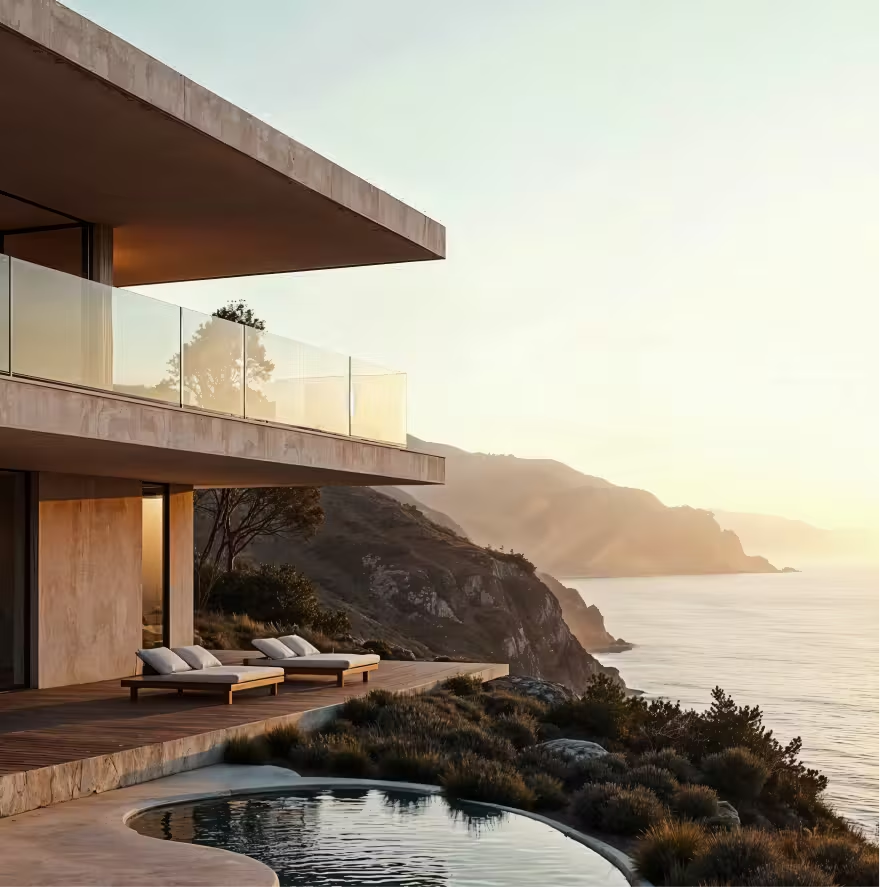
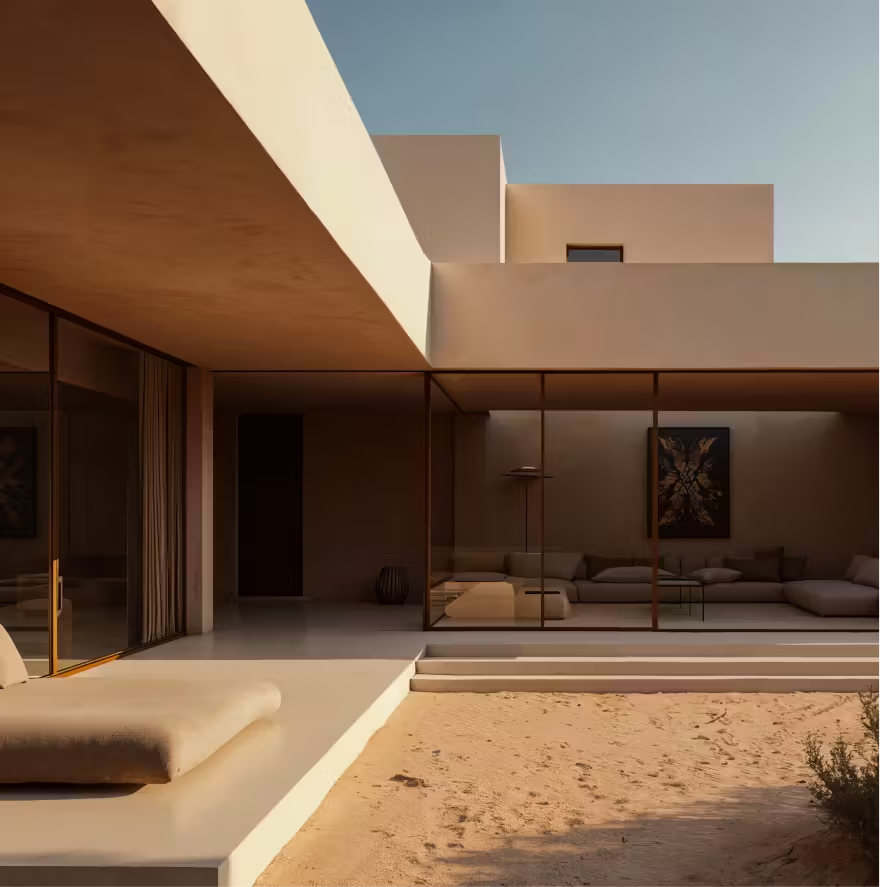
The innovations worth specifying are the ones still delivering in year ten: better fabric, honest controls and systems the maintenance team can actually service.
What often goes wrong :
- Treating fabric spend as capital cost only.
- Maximising glazing without shading.
- Heating and cooling unoccupied zones.
- Installing controls nobody is trained on.
- Omitting metering from the specification.
- Never reviewing performance after handover.