
Explore trends shaping tomorrow's architectural landscape
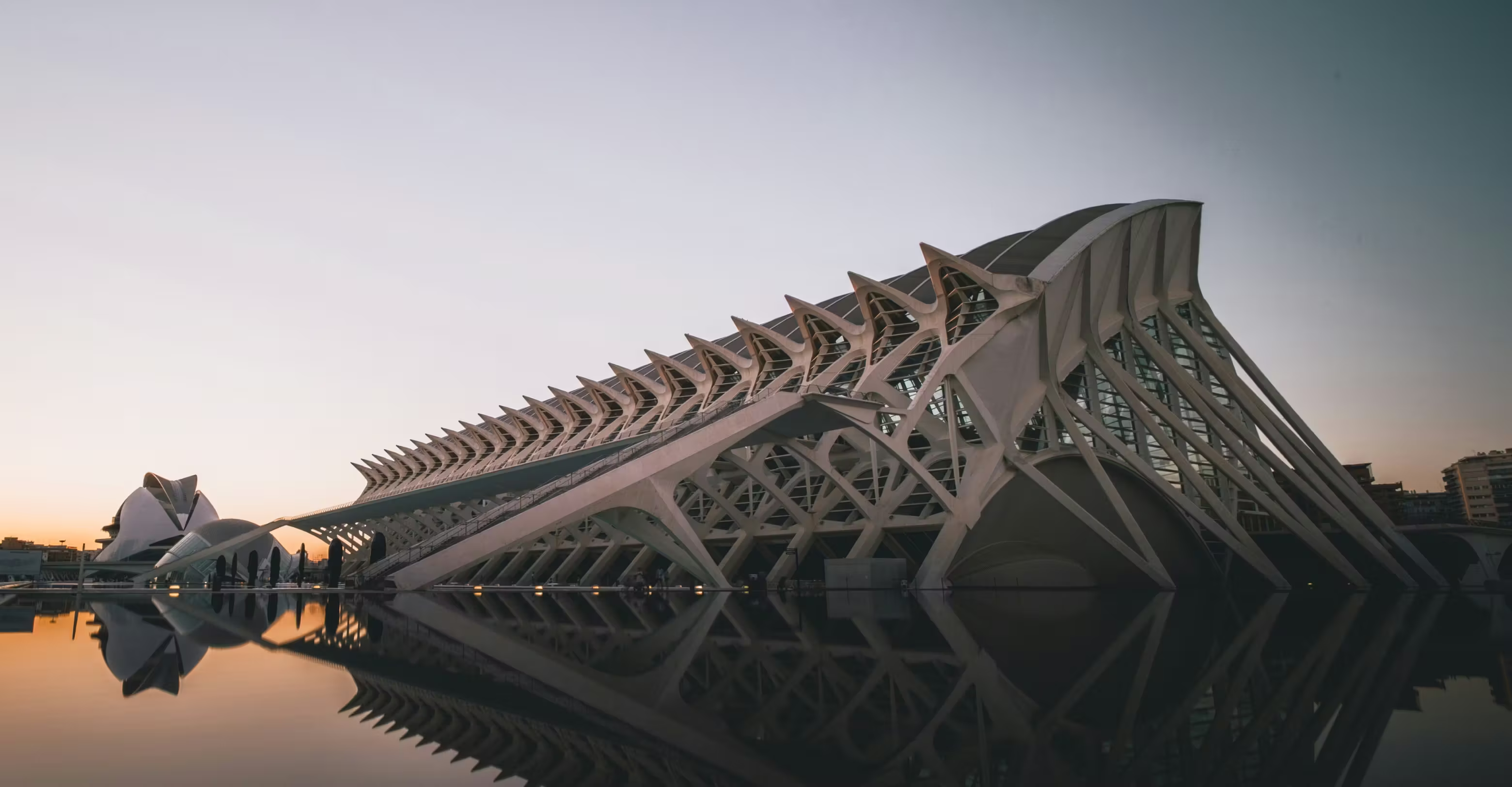

Bergström tracks how regulation, material science and changing work patterns are reshaping what clients ask for, and which of those shifts are likely to outlast the current cycle.
Reading which changes will actually last
Every year brings a new set of architectural predictions, and most of them quietly disappear. The shifts worth planning around are the ones driven by something structural: regulation, cost, climate or a genuine change in how people live and work. Everything else is closer to fashion than forecasting.
Remote work is the clearest example. It has not produced a new architectural style, but it has permanently changed the brief. Houses now need a room that can hold a door closed and a call uninterrupted, and offices need to justify the journey rather than simply provide a desk. That kind of shift outlasts whatever finish happens to be popular this year.
The shifts we are designing around right now
Three changes are showing up in nearly every brief. Energy regulation keeps tightening, which pushes fabric performance from a nice-to-have into a baseline requirement. Embodied carbon is beginning to be measured rather than mentioned, which favours reuse, timber and simpler structures. And flexibility has become explicit: clients now ask directly how a room could be repurposed in ten years. None of these are aesthetic movements, which is precisely why they will still matter when the current visual language has moved on entirely.
Designing for a landscape that keeps moving
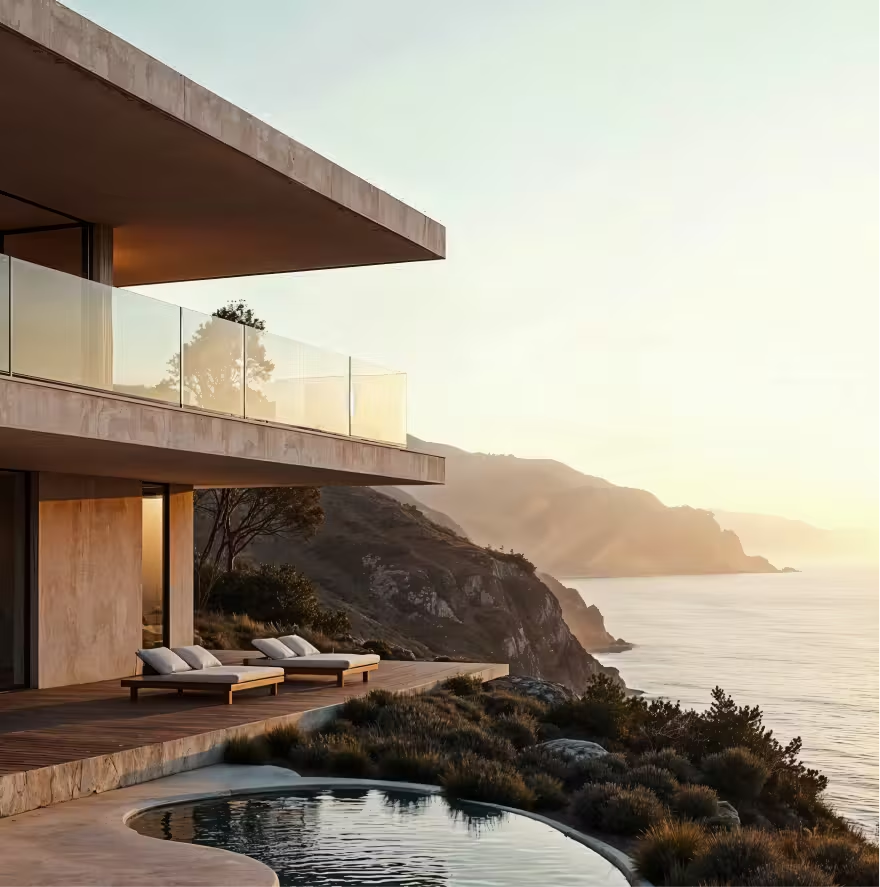
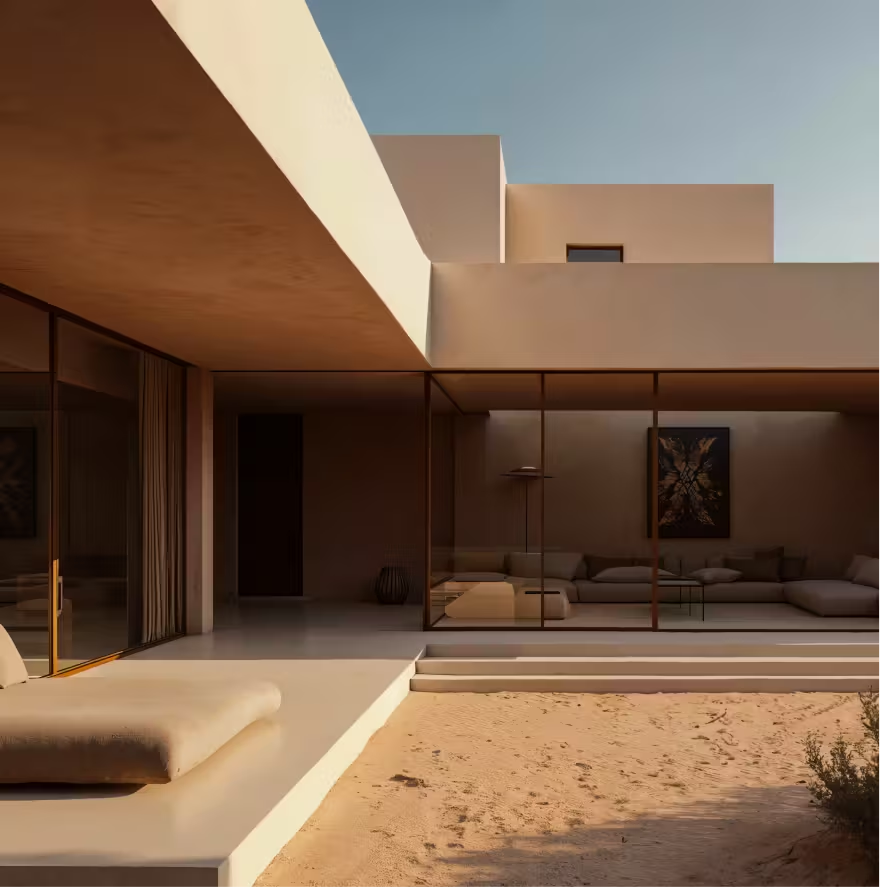
Buildings outlive the assumptions behind them. Designing with a margin for change is more useful than trying to predict exactly what will be needed.
What often goes wrong :
- Chasing visual trends over structural ones.
- Meeting today's regulations with no margin.
- Measuring operational carbon but not embodied.
- Designing single-purpose rooms throughout.
- Assuming work patterns will revert.
- Specifying technology that cannot be replaced.