
Explore timeless architecture and innovative design

Raghavan writes on material longevity and proportion, drawing on fifteen years of practice spent watching which architectural decisions hold up and which quietly fail over time.
Why some buildings never look dated
Timelessness is not a style. Buildings that still read well after forty years tend to share a few unglamorous qualities: honest materials, proportions that suit the human body, and a plan that can absorb change without being demolished. None of these qualities depend on following a particular trend.
Fashion moves through architecture faster than most people expect. The finishes that define a decade are usually the first things to look tired, which is why we keep trend-driven decisions to surfaces that can be changed cheaply, and reserve permanence for structure, openings and the relationship between rooms. That separation is what lets a building be refreshed without ever needing to be rebuilt.
The qualities that let a building age well
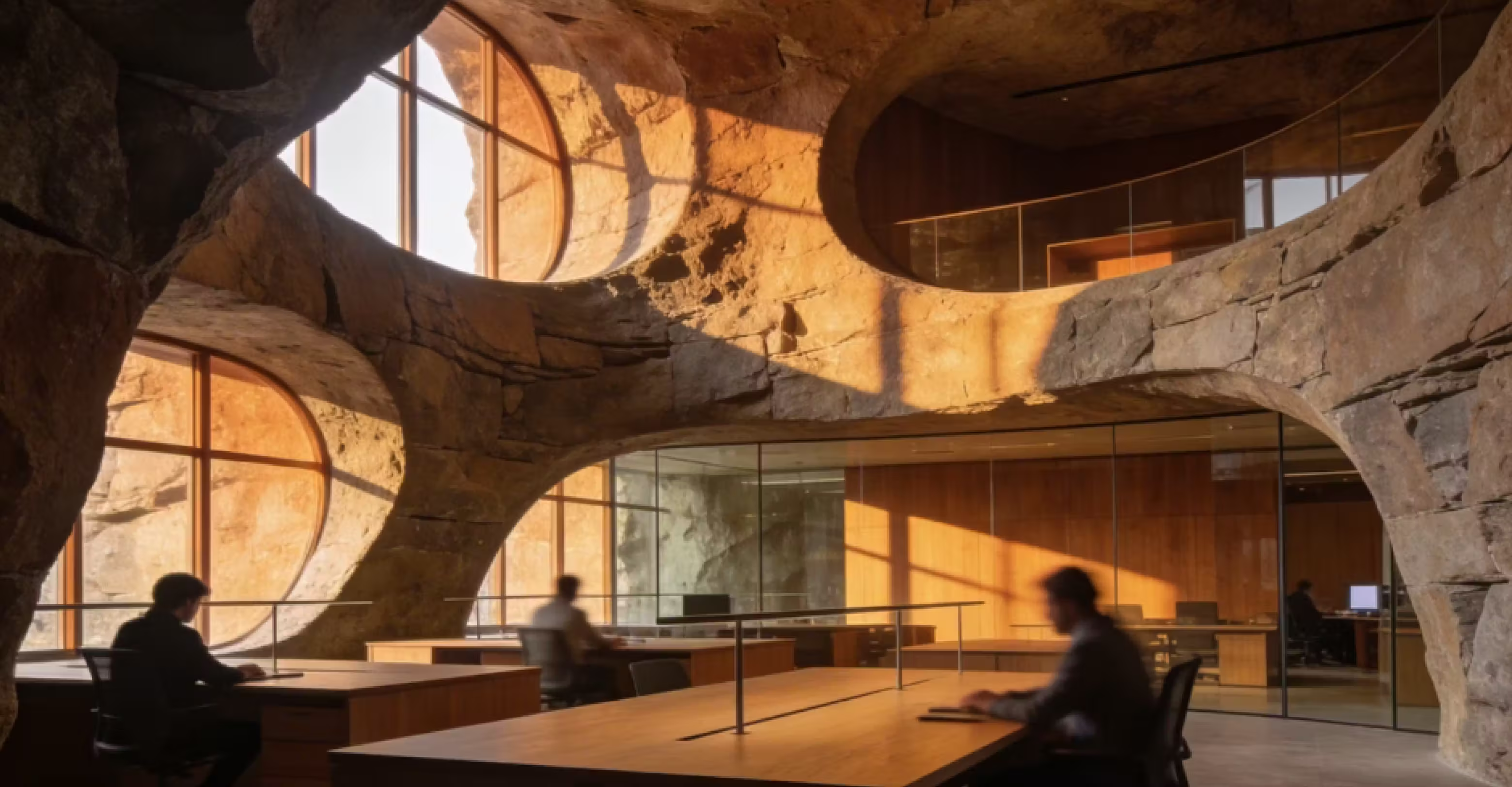
Materials that weather rather than degrade are the starting point. Stone, brick, timber and lime develop a patina that improves them; thin composite panels rarely do. Proportion matters just as much: window heights related to ceiling heights, door openings sized to the rooms they serve, and a rhythm across a facade that the eye can follow. Finally, a generous plan gives a building somewhere to go. Rooms that can change use, ceilings with a little height in reserve and services that can be reached without demolition all extend the useful life of what has been built.
Innovation that respects architectural continuity
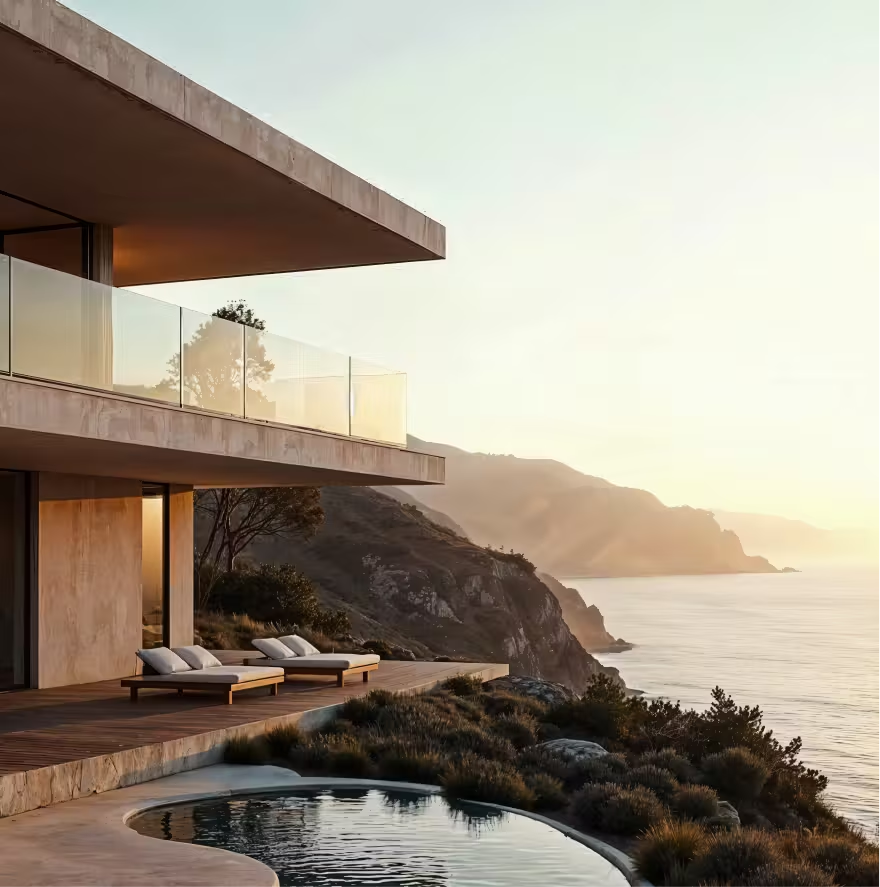
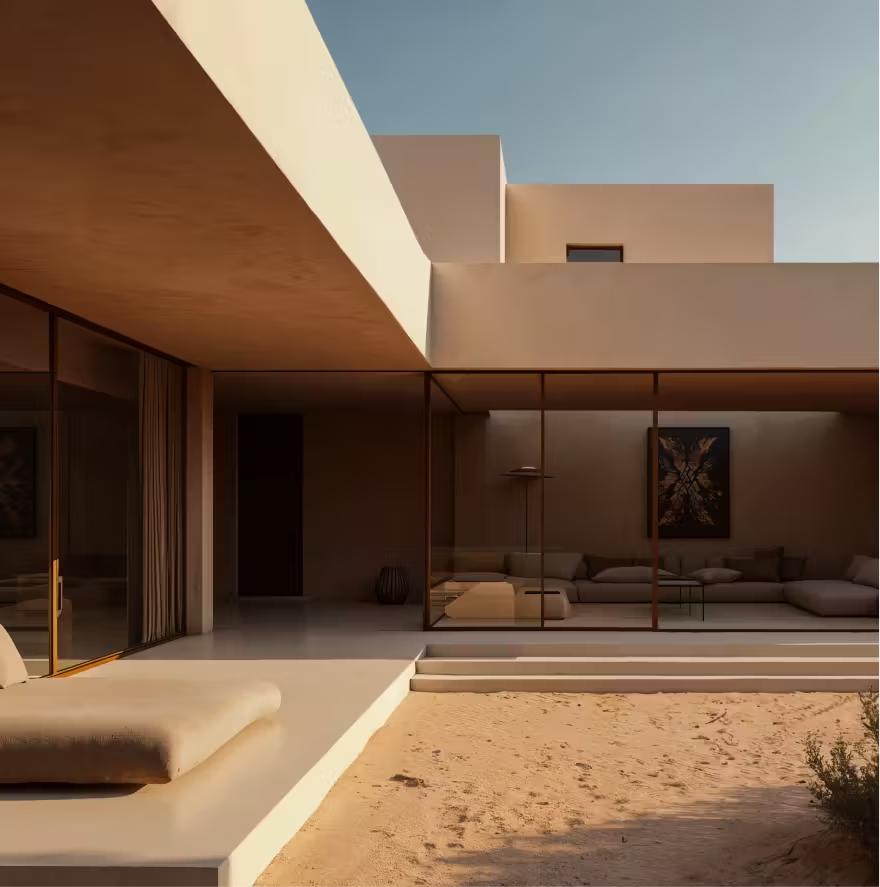
The best new work sits comfortably beside what came before it. Innovation earns its place when it improves performance or comfort without shouting over the building's proportions.
What often goes wrong :
- Confusing fashionable with contemporary.
- Using materials that degrade rather than weather.
- Fixing proportion problems with decoration.
- Building plans too rigid to change use.
- Hiding services where they cannot be reached.
- Letting a single trend define the whole exterior.